
Emergency Preparedness: Why a Home Inventory Should Be Part of Your Plan
October 2026 | Delaware Valley Home Inventory
September was National Preparedness Month, an annual reminder of the importance of preparing for emergencies and natural disasters. While the month has passed, the need to be prepared doesn't end with September.
FEMA encourages individuals and families to take several important steps: know where to get reliable information during an emergency, make a plan, and build an emergency supply kit. These preparations can make an enormous difference when disaster strikes, not only in protecting lives but also in helping families manage the days and weeks that follow.
For people living in areas frequently affected by wildfires, hurricanes, tornadoes, or flooding, emergency preparedness may already be part of everyday life. In other parts of the country, it's easy to assume those kinds of events happen somewhere else.
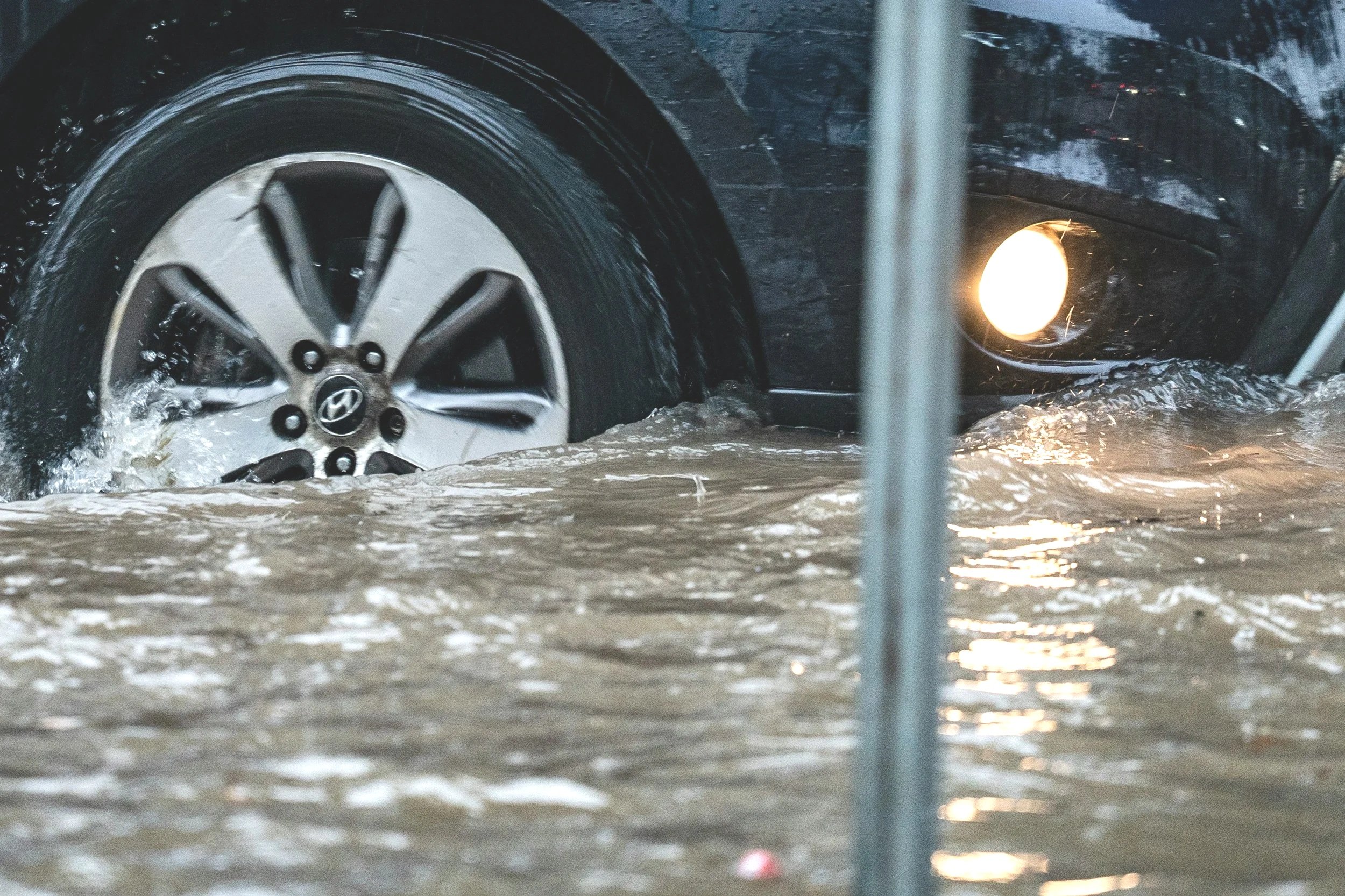
Unfortunately, disasters don't always follow familiar patterns. Tornadoes occur in the Northeast, and serious flooding can happen in places that aren't typically associated with it. Even if you don't live in an area known for natural disasters, it's worth considering what you would do if an emergency affected your home.
Whether you live alone or have a household full of people, having a plan and essential supplies can make a difficult situation a little more manageable.
Preparing for the Emergency—and What Comes After
An emergency kit should include essentials such as flashlights, food, water, medications, important documents, and other supplies that may be needed if you have to leave home quickly or remain there without normal services. FEMA provides a helpful emergency supply checklist for anyone who isn't sure where to begin.
But there's another aspect of emergency preparedness that doesn't always receive as much attention: documenting what's inside your home.
Protecting yourself and your loved ones is always the first priority. Once everyone is safe, however, the focus may shift to dealing with damage to your property and beginning the recovery process.
If your home suffers significant damage from a fire, flood, or other event, you'll likely need to contact your insurance company and begin the claims process. Depending on the circumstances, you may be asked to provide a detailed list of damaged or destroyed belongings, along with information about their age, condition, and value.
That can be a difficult task under the best of circumstances.
Imagine trying to remember everything in your kitchen cabinets, closets, garage, or basement. Now imagine doing that after a major loss, when parts of your home may be inaccessible or its contents completely destroyed.
It's not just the expensive items that are difficult to account for. Think about dishes, towels, bedding, clothing, books, toys, small appliances, and all the other things we accumulate over time.
Individually, many of these items may not seem particularly valuable. Collectively, however, the cost of replacing them can be substantial.
Why a Home Inventory Matters
A detailed photographic home inventory provides a record of your belongings before they're damaged, destroyed, or lost.
Photographs can help establish what you owned, while additional details such as brands, model numbers, serial numbers, and purchase information can make that record even more useful.
For higher-value possessions, receipts, appraisals, and other supporting documentation can also be important.
Having this information organized in advance can make it easier to prepare a contents claim, support discussions with your insurance company, and identify potential gaps in your coverage before a loss occurs.
Of course, a home inventory doesn't guarantee reimbursement. Your insurance policy, coverage limits, deductibles, and the circumstances of the loss will still determine how a claim is handled. But having a reliable record of your possessions can eliminate much of the guesswork.
Because knowing what you own matters—and the best time to document it is before you need that information.
Making the Process Manageable
Let's be realistic. Creating a home inventory can feel overwhelming.
Most of us have far more belongings than we realize, and the idea of going room by room, photographing and documenting everything, can be enough to make us put the project off indefinitely.
You can certainly create an inventory yourself, and even a basic photographic record is better than having no record at all.
For those who don't have the time or simply don't want to tackle the project themselves, a professional home inventory service is another option.
At Delaware Valley Home Inventory, we create organized photographic inventories of household contents, providing homeowners with documentation they can retain and refer to when needed. You can learn more about what's included in our Comprehensive Home Inventory Report.
We primarily serve South Jersey, Delaware, and Southeastern Pennsylvania, with services in other areas considered by arrangement.
Why This Matters to Me
The idea for Delaware Valley Home Inventory came from my own experience.
Many years ago, I survived a devastating residential fire that resulted in significant property loss and personal injuries. While recovering, I also had to navigate a difficult insurance claims process, including disagreements over the value of belongings I had lost.
Trying to account for everything after the fire was an enormous challenge. By the time the process was over, I also discovered that I had been underinsured for my personal property.
That experience stayed with me.
After a long career in the pharmaceutical industry, I decided to pursue an idea I'd been thinking about for years: helping other homeowners avoid some of the difficulties I experienced by documenting their possessions before something happens.
Today, Delaware Valley Home Inventory provides photographic home inventories not only for insurance preparedness but also for estate planning, financial planning, and life transitions such as moving, downsizing, and settling an estate.
There are many reasons to have a home inventory. Emergency preparedness is just one of them.
National Preparedness Month is a useful reminder to think about what we would do in an emergency. But preparing for what comes afterward deserves some attention, too.
If you'd like to learn more about professional home inventories or discuss your particular needs, feel free to contact me at info@dvhomeinventory.com.